ENERGY RENOVATION OF THE MUSEUM OF FINE ARTS BUILDING
INVESTOR: MLU Osijek
LOCATION: Europska avenija 9, Osijek
SERVICE: Construction supervision
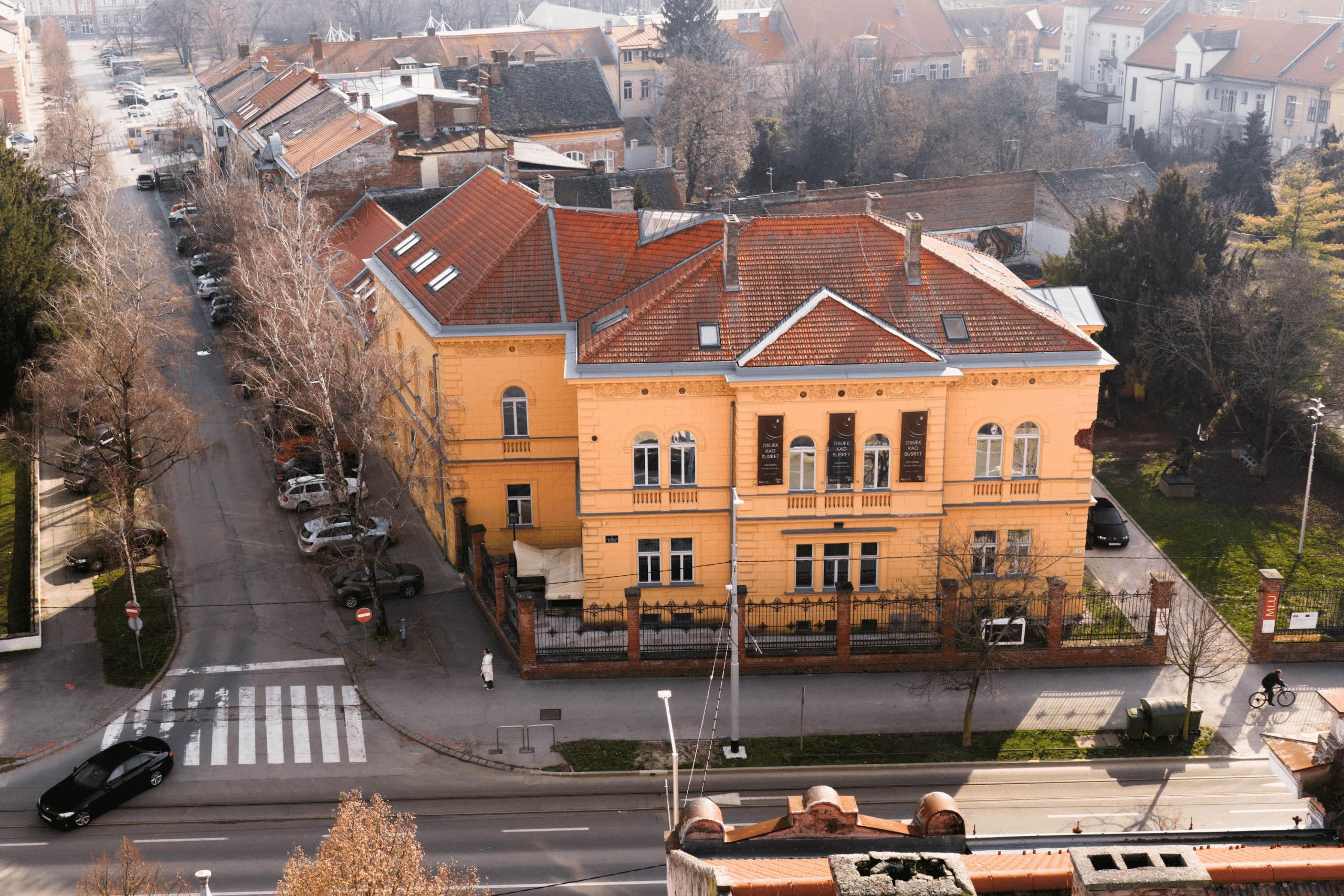
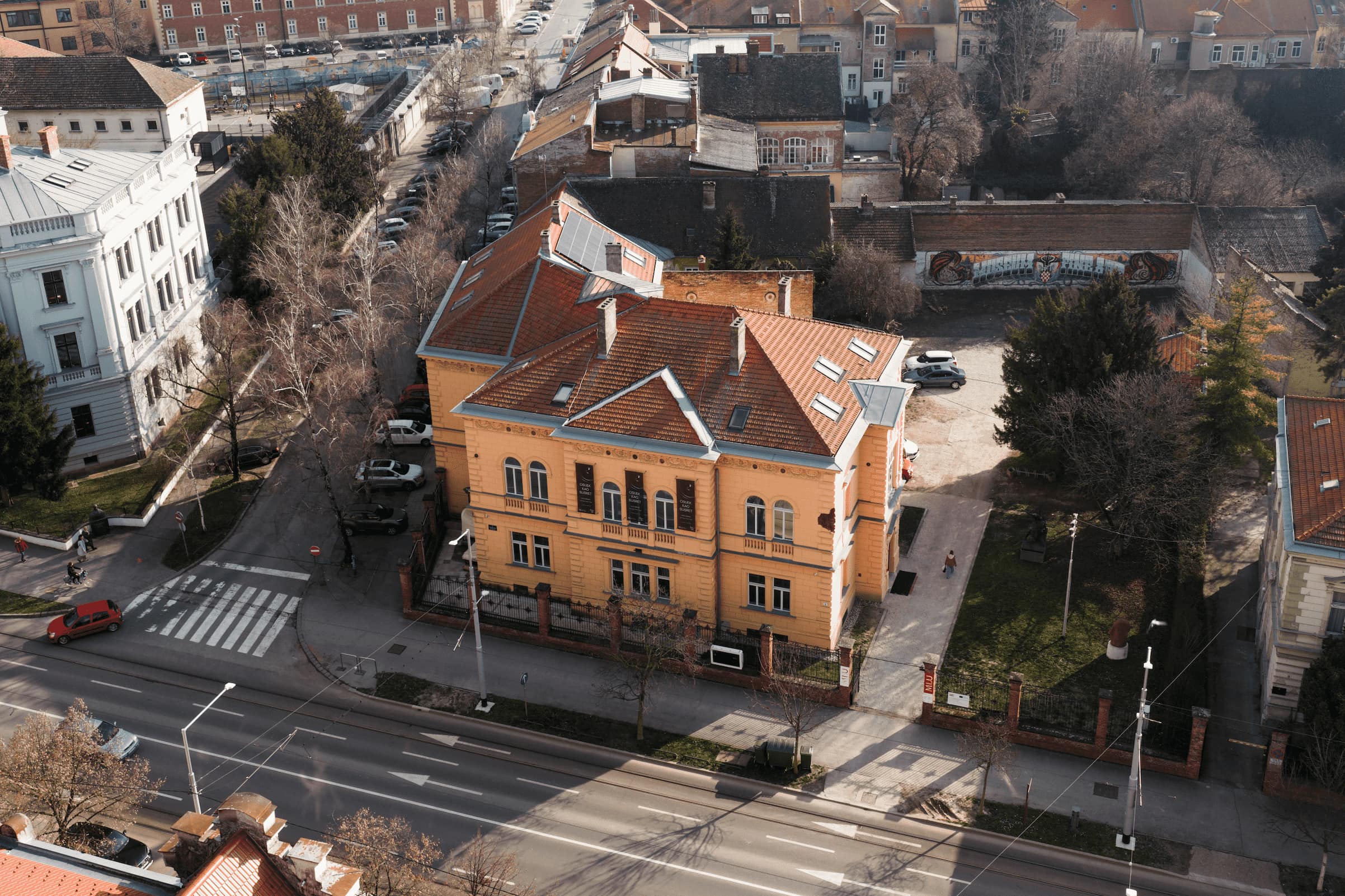
The project encompasses the preparation of design solutions for investment in the energy renovation of a building with cultural heritage status, with the aim of increasing energy efficiency, introducing renewable energy sources, and modernising technical systems. The structure is configured as a semi-detached building with one underground level and three above-ground levels — a basement, ground floor, first floor, and attic — with an articulated floor plan and a public and social use function.
The energy intervention encompasses the renewal of the building envelope with internal thermal insulation of walls, along with the repair and replacement of existing external timber joinery, thereby improving the thermal properties of the envelope while preserving the cultural and historical identity of the building. The project also includes the installation of a lift serving all four levels and the construction of an entrance platform for access by persons with disabilities, raising the overall accessibility of the building.
In the area of heating and cooling systems, aerothermal energy is being introduced as a renewable source, with an air-to-water heat pump becoming the primary source of thermal energy for the ground floor, first floor, and attic.
The building is also receiving a complete ventilation and air conditioning installation, designed to achieve the stable microclimatic conditions required for museum spaces and exhibition activities. This controls temperature, humidity, and air circulation in order to ensure conservation conditions for artefacts and visitors.
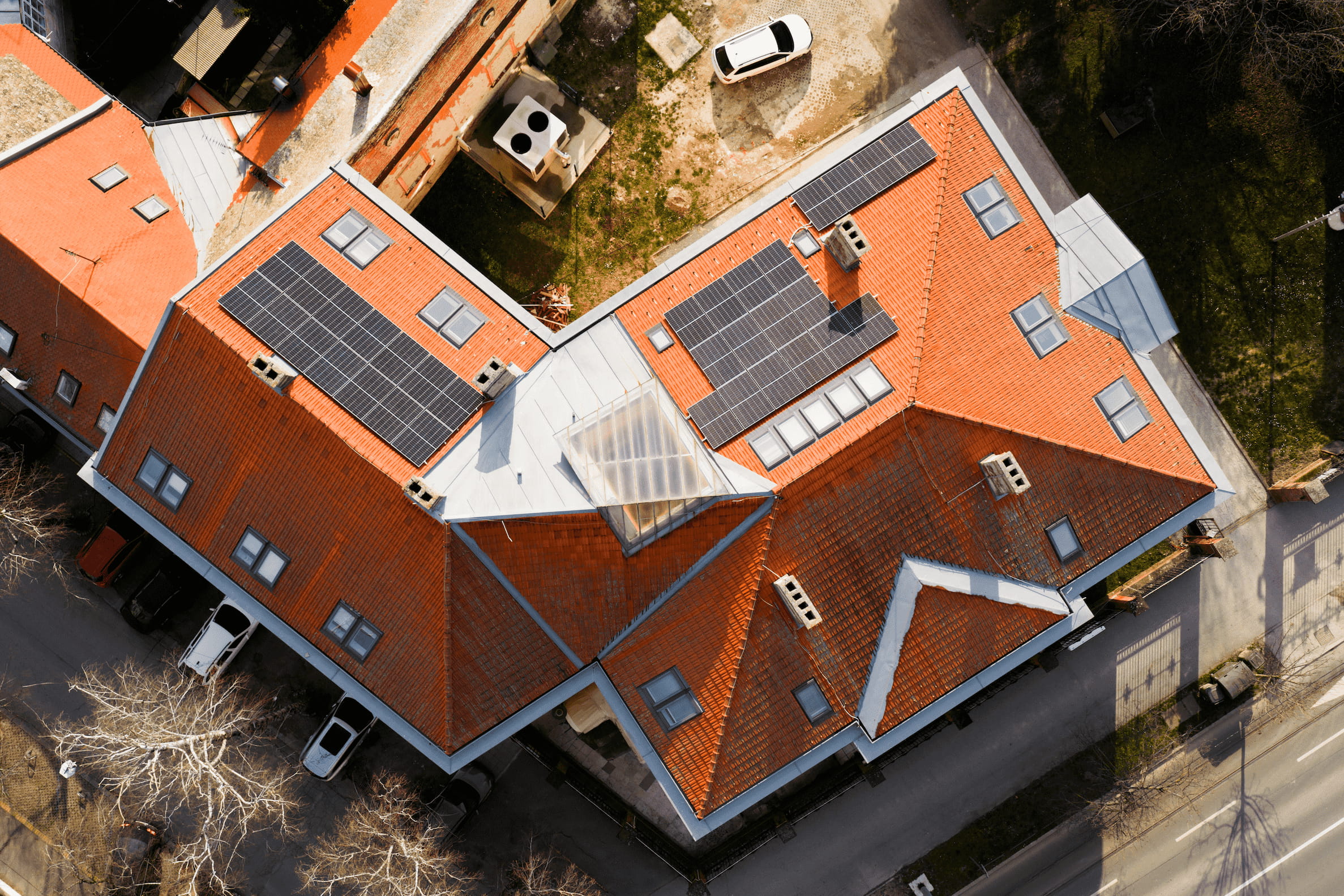
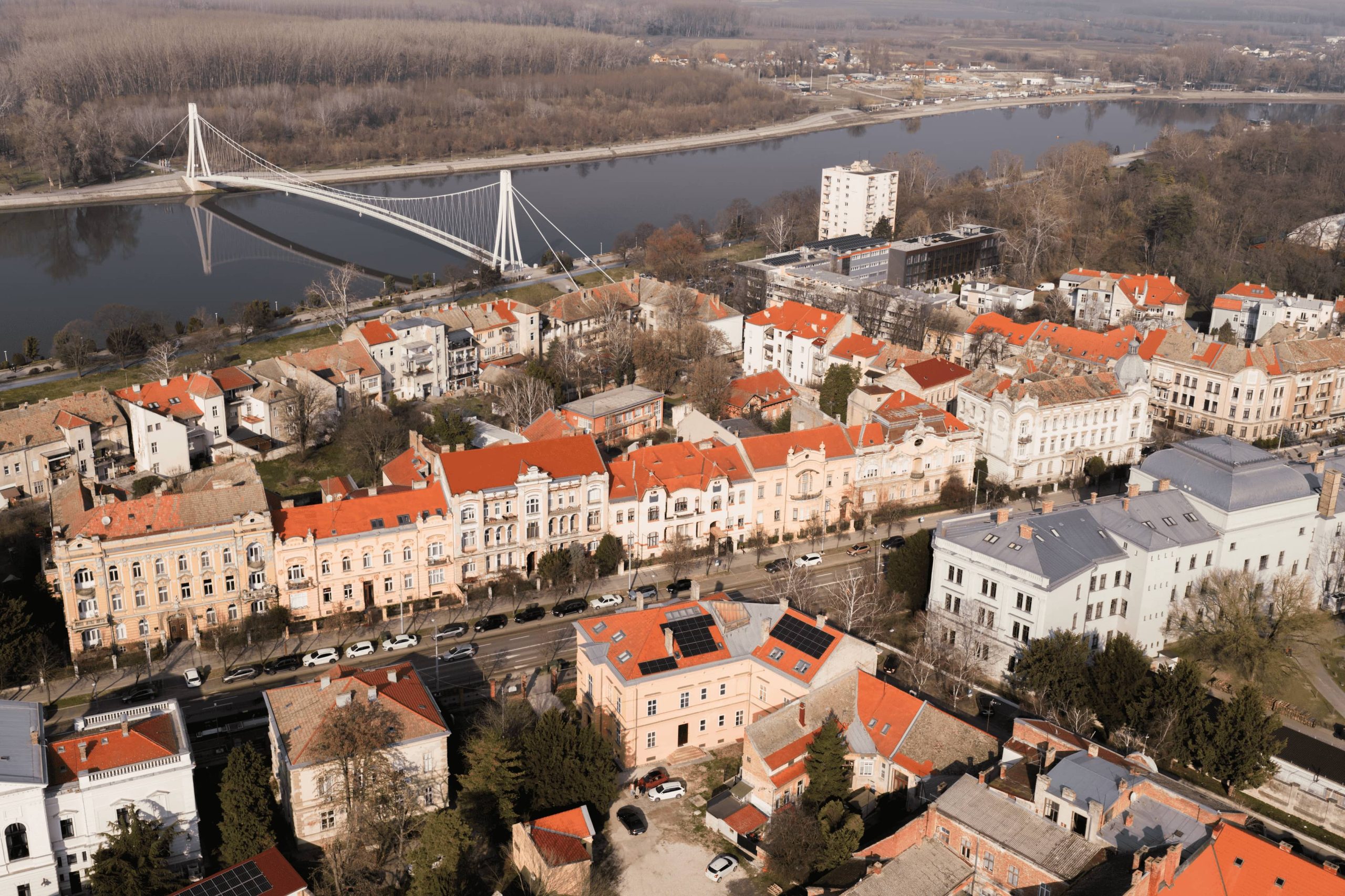
As part of the investment in renewable energy sources, a solar power plant is planned on the existing roof, comprising 32 photovoltaic modules mounted on a tile roof structure. The power plant is designed in two strings, with a total capacity of 13.12 kW DC and 10.00 kW AC, with the modules connected in series to an inverter, supplying a portion of the building's own electricity consumption.
The project technically modernises the cultural heritage asset, integrates it into renewable energy systems, reduces energy consumption, and achieves stable conditions for public and exhibition use, while fully respecting conservation restrictions and the original architectural characteristics of the building.